
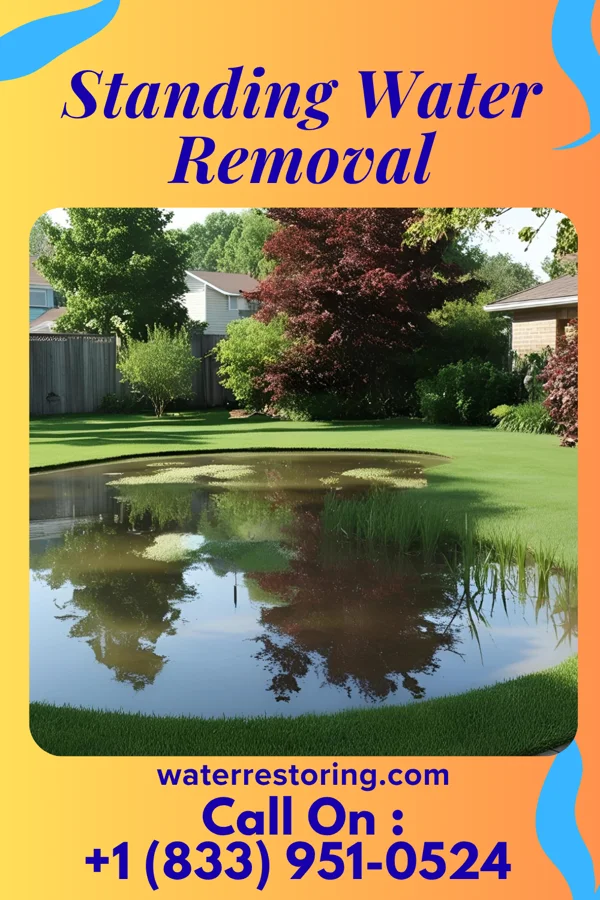
Standing Water Risks in Picnic Point
Property owners across Picnic Point call certified water damage restoration when In Picnic Point, Washington, water damage often stems from heavy rainfall and flooding due to its proximity to Lake Stickney and the surrounding wetlands. Additionally, the area's rural setting and lack of extensive drainage systems can lead to localized water accumulation after storms.. A close second is Secondary causes include plumbing failures in older homes, backed-up sewers during heavy rains, and groundwater seepage into basements of poorly constructed foundations. The region's clay soil can also contribute to water retention and slow drainage..
Picnic Point experiences a temperate climate with significant precipitation, especially in the spring and fall. This increases the risk of water intrusion, particularly during the rainy season when the area is near Lake Stickney and surrounded by wetlands.
Picnic Point experiences a temperate climate with significant precipitation, especially in the spring and fall. This increases the risk of water intrusion, particularly during the rainy season when the area is near Lake Stickney and surrounded by wetlands. The dominant local driver is In Picnic Point, Washington, water damage often stems from heavy rainfall and flooding due to its proximity to Lake Stickney and the surrounding wetlands. Additionally, the area's rural setting and lack of extensive drainage systems can lead to localized water accumulation after storms., with Secondary causes include plumbing failures in older homes, backed-up sewers during heavy rains, and groundwater seepage into basements of poorly constructed foundations. The region's clay soil can also contribute to water retention and slow drainage. showing up as the next most common cause. Damage builds in stages. Spread. Absorption. Microbial growth. Structural compromise. Every stage you pass through adds to the final bill.